You Won’t Believe These Hidden Gems in the Loire Valley
The Loire Valley isn’t just castles and wine—it’s a living storybook of quiet villages, sunlit vineyards, and riverside paths that feel like secrets. I went expecting grandeur, but what I found was soul: authentic moments in tucked-away towns and gardens that bloom like poetry. This is more than a destination; it’s a feeling. Let me show you the *real* Loire, one theme area at a time.
The Castle Trail: Where Fairy Tales Feel Real
The châteaux of the Loire Valley rise like dreamscapes from the French countryside, each with its own chapter in the story of Renaissance elegance. While many travelers rush to snap photos at Chambord or marvel at the symmetry of Chenonceau, few pause to consider how these palaces were not merely royal retreats but centers of power, culture, and innovation. Built between the 15th and 17th centuries, these architectural wonders reflect a time when art, science, and politics flourished under royal patronage. The Loire’s castles are not just relics—they are testaments to a golden age when France redefined beauty and order.
Chambord, often considered the crown jewel of the valley, stuns with its double-helix staircase attributed to Leonardo da Vinci and its forested estate spanning over 5,000 hectares. Yet, visiting during early morning hours or late afternoon light allows for a more intimate experience, avoiding the midday crowds that flood the main courtyard. Tickets should be reserved online in advance, especially during peak season, to ensure entry and to gain access to optional guided tours that reveal hidden corners, such as the rooftop terraces where intricate stonework dances against the sky.
Equally compelling is Chenonceau, the 'lady’s castle' spanning the Cher River. Its construction was shaped by influential women—Diane de Poitiers, Catherine de’ Medici—each leaving her mark on the interiors and gardens. The north garden, designed by Catherine, contrasts with the softer, floral south garden favored by Diane. Walking through these spaces offers more than visual delight; it provides a quiet reflection on how personal taste shaped national heritage. For a deeper understanding, consider joining a themed tour—such as one focused on medicinal herbs in the gardens or the role of women in court politics.
Amboise, perched above the Loire, offers another layer of history, tied closely to Leonardo da Vinci, who spent his final years at nearby Clos Lucé. A shuttle connects the two sites, allowing visitors to walk in the master’s footsteps, exploring replicas of his inventions and the peaceful garden paths he once strolled. Unlike larger châteaux, Amboise maintains a human scale, making it especially appealing for families and those seeking a blend of education and ambiance. These castles, when approached with curiosity rather than checklist tourism, transform from monuments into living classrooms of art, power, and legacy.
Wine Routes with Character: Sip Like a Local
Beyond its architectural splendor, the Loire Valley pulses with viticultural life, producing some of France’s most expressive and diverse wines. Stretching from Sancerre in the east to Nantes in the west, the region encompasses over 50 appellations, each shaped by unique soil, climate, and tradition. What sets Loire wines apart is their balance—crisp acidity in whites, freshness in reds, and an elegance that pairs naturally with the region’s cuisine. For the thoughtful traveler, exploring these wines is less about indulgence and more about connection: to land, to family vintners, and to centuries of winemaking wisdom.
Sancerre, nestled in the eastern Loire, is renowned for its Sauvignon Blanc—dry, mineral-rich, and often tinged with notes of citrus and flint. The best tastings occur not in grand châteaux but in modest cellars tucked behind village homes, where third- or fourth-generation winemakers pour with pride and patience. Many of these producers welcome visitors by appointment, offering walks through their steep limestone slopes and explanations of organic or biodynamic practices. Similarly, in Pouilly-Fumé, just across the river, the smoky character of the wine—reflected in its name—comes from flinty soil known as *silex*, a terroir feature that connoisseurs cherish.
Moving westward, the slopes around Vouvray yield Chenin Blanc in astonishing variety—dry, off-dry, sweet, and even sparkling. This versatility makes Vouvray a favorite among sommeliers and home enthusiasts alike. Small producers here often ferment in old oak barrels, preserving texture without overwhelming the grape’s natural apple and honey tones. Tasting sessions typically include a walk through chalky cellars, some carved deep into the tufa stone, where humidity and temperature remain constant year-round, ideal for aging wine.
For red wine lovers, Bourgueil and Chinon offer Cabernet Franc with brightness and structure, far lighter than Bordeaux counterparts but full of red berry and herbal notes. These wines pair exquisitely with local dishes like rillettes or grilled lamb from the Touraine region. Many vineyards allow bicycle access, and renting a *vélo* from towns like Amboise or Langeais makes for a leisurely, immersive day. Riders can stop at multiple domaines, savoring not just wine but views of sun-dappled vines and distant castle spires. The rhythm of pedaling between tastings fosters a deeper appreciation—one that lingers long after the last sip.
Riverside Escapes: The Loire by Water and Path
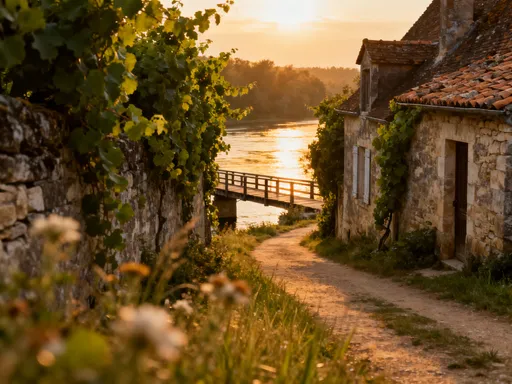
The Loire River, France’s longest, flows like a quiet pulse through the valley, shaping its landscapes, towns, and way of life. Unlike more developed waterways, much of the Loire remains wild and free-flowing, protected as a UNESCO Biosphere Reserve. This natural character makes it ideal for unhurried exploration—by canoe, kayak, or foot—along peaceful stretches where herons wade and kingfishers dart between reeds. For travelers seeking tranquility, the river offers an antidote to the pace of modern life, inviting a return to simplicity and presence.
Canoeing the Loire is one of the most serene ways to experience the region. Rental stations in towns like Montsoreau, Candes-Saint-Martin, or Saumur provide sturdy two- or three-person canoes, along with safety vests and basic instruction. Trips can range from a two-hour float to multi-day adventures with overnight stops in riverside campsites or *chambres d’hôtes*. One popular route runs from Candes-Saint-Martin to Montsoreau, offering panoramic views of the confluence with the Vienne River and the dramatic silhouette of Montsoreau Castle. Paddling at dawn reveals mist rising off the water, while late afternoon light bathes the cliffs in gold.
For those who prefer solid ground, the Loire à Vélo route—a well-marked cycling path spanning over 800 kilometers—follows the river through vineyards, forests, and historic towns. The section between Blois and Tours is especially accessible, with gentle gradients and frequent rest points. Cyclists pass under plane trees, cross stone bridges, and pause in villages where boulangeries emit the scent of fresh bread. Bike rentals are available in most major towns, and many services offer luggage transfer, allowing travelers to ride lightly and stay in different accommodations each night.
Towns along the riverbanks each have their own rhythm. Blois, with its hilltop château and medieval quarter, buzzes with market energy on Wednesdays and Saturdays. Saumur, known for its cavalry school and sparkling wine, offers a blend of tradition and charm. Smaller stops like Chaumont-sur-Loire or Saint-Nazaire-des-Etangs feel suspended in time, where life unfolds at the pace of river currents. Whether floating, pedaling, or strolling, the Loire invites a slower way of seeing—one where beauty reveals itself in subtle shifts of light, sound, and season.
Secret Villages: Off-the-Beaten-Path Charm
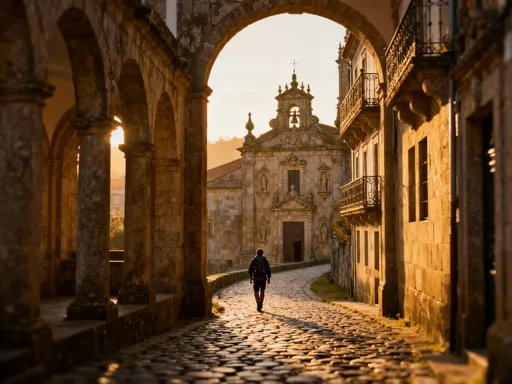
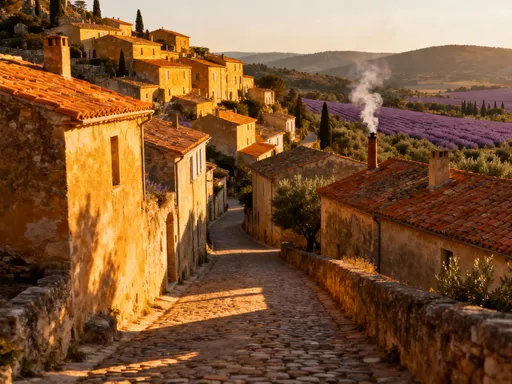
While the châteaux draw international crowds, the soul of the Loire Valley lives in its lesser-known villages—places where daily life unfolds without fanfare, and charm emerges in quiet details. These hamlets, often missed by guidebooks, offer a truer sense of French rural life: cobblestone lanes, flower-bedecked windows, and the occasional church bell marking the hour. Visiting them requires no grand plan—just a willingness to wander, to pause for coffee, and to let the day unfold naturally.
Cheverny, though home to a famous château, retains a village feel, especially in its residential lanes behind the main tourist entrance. Early mornings here are golden hours—when bakers open their doors, cats stretch on sun-warmed stone, and the square fills with the murmur of locals exchanging news. A small market on Saturday mornings offers regional cheeses, honey, and preserves, often sold by the producers themselves. Just beyond the village, walking trails lead into shaded woods, perfect for a post-lunch stroll.
Azay-le-Rideau, though modest in size, captivates with its fairy-tale château mirrored in the Indre River. Yet, the real pleasure lies in exploring the surrounding lanes, where half-timbered houses lean gently over narrow streets. A bench by the water offers one of the most peaceful spots in the region—ideal for reading, sketching, or simply watching dragonflies skim the surface. The village hosts a summer festival of lights, when the château and gardens are illuminated in colorful displays, drawing locals and visitors alike in a spirit of shared celebration.
Further south, Lavardin is one of France’s designated *Plus Beaux Villages*, and for good reason. Perched on a rocky outcrop, it descends in terraced steps toward the Loir River (a tributary of the Loire). The climb to the top rewards with sweeping views, while the lower lanes reveal ancient stone houses, some repurposed as artisan workshops. Though small, Lavardin hosts an annual medieval festival, where residents dress in period clothing, music fills the air, and food is served in clay pots. These moments of communal joy reflect a deep-rooted connection to place—one that cannot be staged, only experienced.
Gardens That Breathe Art and Nature
In the Loire Valley, gardens are not mere embellishments—they are masterpieces in their own right, where nature is composed like music and color is orchestrated with precision. Villandry, perhaps the most celebrated, astonishes with its ornamental kitchen gardens—rectangular plots of vegetables, herbs, and flowers arranged in intricate patterns. What began as a Renaissance ideal of order has evolved into a living canvas, changing with each season. In spring, peas and lettuces form delicate mosaics; by summer, tomatoes and marigolds blaze in bold contrast.
The philosophy behind Villandry’s design reflects a harmony between utility and beauty—a belief that even food can be art. Guided tours explain the historical significance of each plant, from medicinal herbs used in 16th-century remedies to heirloom varieties preserved for flavor and resilience. Children especially enjoy the maze garden, where laughter echoes as families navigate the tall hedges. Morning visits offer soft light and fewer people, ideal for photography and quiet contemplation.
Chaumont-sur-Loire takes garden artistry further with its annual International Garden Festival, where landscape designers from around the world create temporary installations on the estate grounds. These avant-garde spaces explore themes like sustainability, climate change, and sensory experience, blending sculpture, sound, and plant life. Unlike traditional gardens, these are meant to provoke thought as much as delight the eye. The château itself, though partially in ruins, adds a romantic contrast to the modern green spaces.
For those seeking solitude, lesser-known gardens like those at Valmer or Le Rivau offer intimate experiences. Valmer, near Langeais, features terraced gardens with panoramic views, a moon garden for evening walks, and a collection of rare fruit trees. Le Rivau, once a medieval fortress, blends formal gardens with a fairy-tale atmosphere, complete with rose tunnels and resident alpacas. These spaces invite slower exploration—where one can sit on a bench, listen to bees, and feel the rhythm of the natural world without distraction.
Culinary Soul: Markets, Breads, and More
The cuisine of the Loire Valley is a quiet celebration of seasonality, simplicity, and terroir. Here, meals are not performances but rituals—rooted in family, tradition, and the day’s harvest. Central to this culture are the open-air markets, held weekly in towns like Tours, Angers, and Saumur. These are not tourist spectacles but working markets, where locals arrive with baskets, exchange greetings, and select produce still warm from the sun.
Goat cheese is a regional hallmark, with varieties ranging from fresh *crottin de Chavignol* to aged, nutty rounds dusted with ash. Sold at dairy stalls, often wrapped in paper with a sprig of thyme, it pairs perfectly with a baguette and a glass of Sancerre. Equally beloved is *rillettes*—a rich, slow-cooked pork or duck pâté, traditionally served with cornichons and crusty bread. Found in deli cases or at charcuterie stands, it embodies the valley’s love for humble, flavorful preparations.
Boulangeries are sacred institutions, their doors opening before dawn to the scent of baking bread. A warm baguette, crisp on the outside and airy within, is a daily luxury. Many bakers still use wood-fired ovens and natural fermentation, preserving techniques passed down for generations. Ask for *pain de campagne* or *flûte* for variety, and pair with local butter—creamy and slightly tangy—for a perfect breakfast.
For a full meal, seek out *tables d’hôtes* or small family-run restaurants where menus change with the market. Dishes like *tarte Tatin* (an upside-down apple tart), *quiche au cresson*, or *matelote d’anguille* (a freshwater eel stew) reflect the region’s bounty. Farm-to-table is not a trend here—it is the norm. Many chefs grow their own herbs, source eggs from nearby farms, and preserve seasonal fruits for winter. Dining in the Loire is not about extravagance; it is about savoring what the land offers, one honest bite at a time.
Seasons of the Loire: When to Go, What to See
The Loire Valley transforms with each season, offering distinct moods and experiences that shape the ideal visit. Spring, from April to early June, awakens the landscape—orchards bloom, gardens burst into color, and temperatures remain mild. This is an excellent time for walking and cycling, as wildflowers dot the meadows and the riverbanks soften with green. However, late spring also brings school holidays, so popular sites may see increased visitors.
Summer, particularly July and August, is vibrant but busy. Festivals animate the towns—classical music at Chambord, garden lights at Azay-le-Rideau, and fireworks over the Loire in Saumur. While the long days allow for full exploration, heat can be intense, and accommodations book quickly. Travelers seeking cultural energy will enjoy this season, but those preferring peace may opt for early July or late August, when crowds thin slightly.
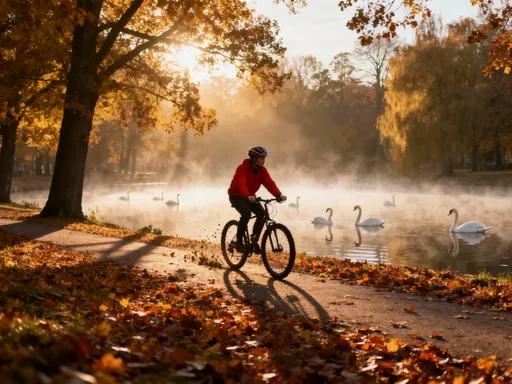
Autumn, from September to November, is by many considered the finest time to visit. The vineyards turn to flame—reds, golds, and ambers—while harvest activities invite participation. Many wineries open for grape-picking experiences or vintage tastings. Cooler temperatures make walking and biking pleasant, and the light takes on a golden hue, ideal for photography. Fewer tourists mean quieter châteaux and more personal interactions with locals.
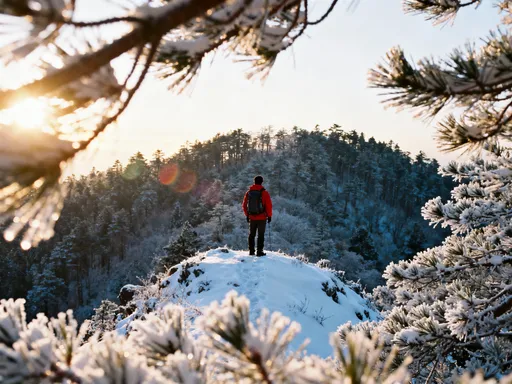
Winter, though quiet, holds its own charm. With frost-kissed gardens, smoke curling from cottage chimneys, and empty pathways, the valley feels introspective. Some châteaux reduce hours or close temporarily, but others, like Chenonceau, host Christmas markets and light displays. Accommodations are more available and often discounted. For travelers who value solitude and reflection, winter offers a rare chance to experience the Loire in stillness—a place where history whispers rather than shouts.
Ultimately, the best time to visit depends on personal preference. Those seeking festivals and full gardens may choose summer, while photographers and wine lovers often favor autumn. Spring appeals to garden enthusiasts, and winter suits contemplative souls. Regardless of season, the key is to travel slowly, to linger in villages, and to let the valley reveal its layers one by one.
The Loire Valley isn’t just seen—it’s felt. From castle spires to country lanes, every theme area offers a deeper connection to France’s artistic soul. Whether you crave culture, calm, or flavor, this is a place that rewards curiosity. Plan thoughtfully, travel slowly, and let the valley reveal itself—one unforgettable moment at a time.