Tirana Bites: Where Culture Simmers in Every Dish
Ever wondered how a city’s soul tastes? In Tirana, Albania, it’s served on a plate—bold, unfiltered, and deeply rooted in tradition. I wandered through sunlit streets and hidden courtyards, chasing flavors that tell stories of family, resilience, and joy. This isn’t just dining; it’s cultural immersion with every bite. From smoky grilled meats to homemade byrek flaking apart in your hands, Tirana’s food scene is alive, authentic, and waiting to be savored. Here, meals unfold like slow poetry, where time bends to the rhythm of shared platters and lingering conversation. The city’s culinary heartbeat pulses in home kitchens, bustling markets, and age-old taverns, offering travelers a rare intimacy—one where food becomes a language all its own.
The Heartbeat of Tirana: Food as Cultural Expression
Tirana’s cuisine is not merely a product of taste but a living archive of its layered history. Positioned at the crossroads of the Balkans, Albania absorbed centuries of influence—Ottoman, Mediterranean, and Central European—each leaving an indelible mark on its culinary traditions. In Tirana, this heritage simmers in every pot, revealing itself in the generous use of yogurt, lamb, fresh herbs, and slow-cooked stews. Meals are not rushed affairs but deliberate acts of connection, often stretching over hours, where generations gather around a single table to reaffirm bonds through shared dishes. This deep cultural reverence for food transforms everyday eating into something sacred, a daily ritual that honors both ancestry and community.
The city’s culinary identity is also shaped by its geography. Nestled between the Adriatic Sea and the Albanian Alps, Tirana enjoys access to an abundance of fresh ingredients—seafood from the coast, dairy from highland pastures, and produce from fertile lowlands. These natural gifts are celebrated in seasonal dishes that highlight simplicity and quality over complexity. A tomato grown in Albanian soil, ripened under the Mediterranean sun, carries a sweetness that store-bought varieties often lack. This emphasis on freshness is not a trend but a tradition, passed down through families who value what grows locally and naturally.
In Tirana, food is also a form of storytelling. Grandmothers teach their grandchildren how to roll dough for byrek or layer spices in qofte, passing down recipes that have survived wars, political shifts, and economic hardship. These dishes are more than sustenance—they are edible heirlooms, each bite carrying the resilience and pride of a people who have long relied on their land and labor. The kitchen, often the warmest room in the house, becomes a classroom where history is tasted, not just told. In this way, dining in Tirana is never just about nourishment; it is an act of cultural preservation, a way of keeping memory alive through flavor.
Beyond the Menu: Dining as a Cultural Journey
To dine in Tirana is to embark on a journey that extends far beyond the plate. It is an invitation to experience the city’s rhythm, values, and spirit through the universal language of hospitality. Unlike fast-paced urban dining cultures elsewhere, Tirana operates on a different tempo—one where meals unfold slowly, deliberately, and with deep intention. A lunch here might begin at noon and linger past three, accompanied by strong espresso, fruit brandy, and effortless conversation. This unhurried approach reflects a broader cultural philosophy: that time spent together is never wasted, especially when food is involved.
The concept of the *konoba*—a traditional family-run tavern—epitomizes this ethos. These intimate spaces, often tucked into quiet side streets or hidden courtyards, are not designed for mass tourism. Instead, they serve as neighborhood anchors where locals gather for hearty meals and warm company. Wooden beams, clay pots, and hand-painted tiles set the scene, while the scent of grilled meat and simmering sauces draws diners in like a magnet. In these konobas, service is personal; the owner might greet you like an old friend, recommend dishes based on what’s freshest, or bring an unexpected appetizer “just because.” This level of warmth is not performative—it is genuine, rooted in the Albanian tradition of *besa*, or sacred hospitality.
Dining etiquette in Tirana also reveals cultural priorities. Sharing is the norm—platters are placed at the center of the table, and everyone helps themselves. This communal style fosters inclusivity and conversation, breaking down social barriers one bite at a time. Even in modern restaurants, the spirit of generosity prevails: refusing a second helping might be seen as polite elsewhere, but in Tirana, it could be interpreted as a rejection of kindness. Coffee plays a crucial role in the dining experience, too. After a meal, it’s common to stay seated, sipping thick Albanian espresso while watching the world go by. This post-meal pause is not an afterthought—it’s part of the meal itself, a quiet celebration of presence and connection.
Must-Try Dishes: A Taste of Albanian Heritage
No visit to Tirana is complete without tasting its iconic dishes, each a window into the country’s culinary soul. At the top of any food lover’s list is *tavë kosi*, often hailed as Albania’s national dish. This rich, comforting casserole combines tender baked lamb with a creamy layer of yogurt and eggs, creating a harmony of savory and tangy flavors. The dish’s origins trace back to rural households, where families would slow-cook leftovers into something extraordinary. Today, it remains a centerpiece at family gatherings and holidays, symbolizing abundance and care.
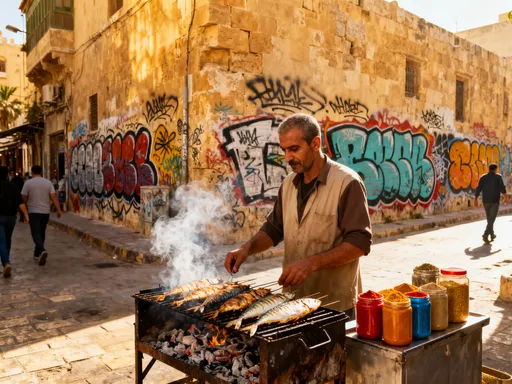
Another essential taste is *qofte*, Albanian-style meatballs seasoned with parsley, garlic, and a hint of chili. Unlike their Italian counterparts, qofte are often grilled, giving them a smoky crust that contrasts beautifully with their juicy interior. Served with a side of fresh salad or a slice of crusty bread, they are a staple at street food stalls and backyard grills alike. In Tirana, the best qofte are found not in flashy restaurants but in small, unmarked eateries where the cook knows every regular by name.
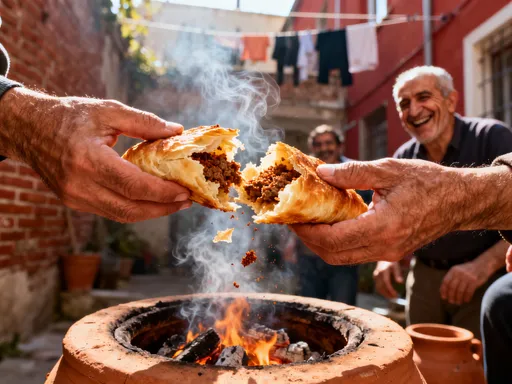
Equally iconic is *byrek*, a flaky, layered pastry filled with cheese, spinach, or minced meat. Made from paper-thin dough called *flija*, byrek is a labor of love, requiring patience and skill to prepare. In Tirana, it’s commonly eaten for breakfast or as a midday snack, often paired with plain yogurt and a cup of strong tea. The sound of dough being stretched and layered is a familiar morning melody in many households, a ritual passed from mother to daughter across generations.
For those who appreciate bold flavors, *fërgesë* offers a satisfying blend of roasted peppers, tomatoes, and white cheese, all baked into a rustic casserole. Its simplicity is its strength—each ingredient shines, and the dish exemplifies the Albanian kitchen’s respect for seasonal produce. These four dishes—tavë kosi, qofte, byrek, and fërgesë—form the backbone of Tirana’s culinary identity, each telling a story of resourcefulness, flavor, and family. To eat them is to taste the essence of Albania itself.
Hidden Eats: Off-the-Beaten-Path Dining Experiences
While Tirana’s main streets boast trendy cafes and polished restaurants, the city’s most authentic flavors often lie beyond the tourist trail. Hidden in courtyards, behind ivy-covered walls, or down narrow alleyways, these off-the-beaten-path dining spots offer an unfiltered glimpse into how locals truly eat. One such experience is the backyard restaurant—often run by a family matriarch who cooks from a wood-fired stove and serves meals on mismatched porcelain. These informal setups lack menus; instead, diners are offered whatever was prepared that morning, based on what’s fresh and available.
Another growing trend is the home dining initiative, where families open their kitchens to travelers seeking genuine cultural exchange. These intimate meals take place in living rooms or garden patios, where guests are treated as honored visitors. The conversation flows freely, often with the help of hand gestures and shared laughter, and the food is served with a warmth that no five-star restaurant can replicate. These experiences are not about perfection—they’re about connection, authenticity, and the joy of breaking bread with strangers who quickly feel like kin.
Seasonal pop-ups also contribute to Tirana’s dynamic food scene. During spring and summer, local chefs and home cooks set up temporary kitchens in parks, courtyards, or abandoned buildings, transforming forgotten spaces into vibrant dining destinations. These events often celebrate regional specialties—such as coastal seafood or mountain cheeses—giving diners a taste of Albania beyond the capital. Finding these spots requires curiosity and a willingness to explore. A lack of signage, a line of locals outside a door, or the scent of grilled meat wafting from a courtyard can all be clues that something special is happening inside.
For the adventurous eater, navigating these hidden gems is part of the reward. Language barriers may exist, but a smile and a respectful demeanor go a long way. Learning a few basic Albanian phrases—like “Faleminderit” (thank you) or “Çfarë keni sot?” (What do you have today?)—can open doors and deepen connections. In these unassuming spaces, food is not a commodity but a gift, offered with pride and received with gratitude. It is here, away from polished menus and curated aesthetics, that Tirana’s true culinary heart beats strongest.
Market to Table: The Role of Local Ingredients
The soul of Tirana’s cuisine begins long before the first bite—it starts in the city’s vibrant markets, where the rhythm of daily life unfolds in a symphony of color, scent, and sound. At the heart of it all is Pazari i Ri, the New Market, a sprawling network of stalls where farmers, cheesemakers, and bakers bring their harvest directly to the people. Walking through its aisles is a sensory immersion: baskets overflow with heirloom tomatoes, golden peppers, and wild greens; glass cases display wheels of brined cheese and creamy feta; and the air hums with the chatter of vendors and customers negotiating prices in rapid-fire Albanian.
This market-to-table philosophy is not a recent trend but a centuries-old way of life. In Tirana, freshness is not a luxury—it is an expectation. Many families still shop daily, selecting ingredients based on ripeness, aroma, and personal trust in the seller. This direct relationship between producer and consumer ensures quality and supports local agriculture, reinforcing a culture of self-reliance and sustainability. Even in modern supermarkets, the influence of the open-air market is evident—shelves are stocked with regional products, from mountain honey to sun-dried tomatoes, each labeled with its village of origin.
The ingredients found in Tirana’s markets reflect the country’s rich biodiversity. From the citrus groves of the coast to the dairy farms of the highlands, Albania’s varied landscapes yield a diverse palette of flavors. Wild herbs like oregano, mint, and thyme grow abundantly and are used generously in cooking, adding depth and fragrance to even the simplest dishes. Olive oil, pressed from local olives, carries a peppery finish that elevates salads and grilled meats alike. These ingredients are not imported or industrialized—they are harvested by hand, preserved with care, and celebrated in season.
For visitors, a visit to Pazari i Ri is more than a shopping trip—it’s a cultural education. Watching a vendor hand-stretch dough for byrek or explain the difference between summer and winter cheese offers insight into the craftsmanship behind Albanian food. Many cooks still follow lunar cycles for preserving food, fermenting dairy, or baking bread, practices rooted in agrarian wisdom. In a world increasingly dominated by processed and packaged goods, Tirana’s markets stand as a testament to a slower, more intentional way of eating—one that values origin, seasonality, and human connection.
Modern Twists: Tradition Meets Innovation
While Tirana honors its culinary roots, a new generation of chefs is reimagining Albanian cuisine for the modern era. These innovators are not discarding tradition but building upon it, blending ancestral recipes with contemporary techniques and global influences. The result is a dynamic food scene where smoked lamb might be served with pickled vegetables and edible flowers, or where byrek is reinvented as a delicate, bite-sized appetizer in a tasting menu. This evolution is not about erasing the past but expanding its possibilities, ensuring that Albanian food remains relevant and exciting for future generations.
Several forward-thinking restaurants in Tirana exemplify this balance. In the Blloku district, once an elite enclave during communism, sleek new eateries now showcase reinterpreted classics in stylish settings. One chef might serve tavë kosi in individual cast-iron dishes with a modern plating style, while another pairs fërgesë with artisanal bread and locally brewed craft beer. These spaces attract both locals and travelers, creating a bridge between tradition and trend. What sets them apart is their respect for authenticity—they source ingredients from the same markets as home cooks and often collaborate with rural producers to highlight regional specialties.
Food festivals and culinary events have also become platforms for innovation. Annual gatherings like the Tirana Food Festival bring together chefs, farmers, and food lovers to celebrate Albanian cuisine in all its forms. Workshops, live cooking demonstrations, and tasting booths allow visitors to engage deeply with the food, asking questions and learning techniques firsthand. These events foster pride in national cuisine while encouraging creativity and experimentation. For a city still emerging on the global culinary map, such initiatives are vital in shaping a confident, inclusive food identity.
Yet, even in this wave of modernization, the core values of Albanian dining remain unchanged. Whether in a rustic konoba or a minimalist downtown bistro, hospitality, generosity, and connection continue to define the experience. The new generation is not replacing the old—they are honoring it, ensuring that the flavors of Tirana’s past continue to nourish its future.
How to Eat Like a Local: Practical Tips for Authentic Dining
To truly experience Tirana’s food culture, travelers must embrace the local rhythm and mindset. Timing is essential—Albanians typically eat lunch between 1:00 and 3:00 PM, and dinner often starts late, around 8:00 or 9:00 PM. Arriving too early for dinner might mean encountering a quiet restaurant still preparing for the evening rush. Embracing this pace allows for a more relaxed, immersive experience, where meals unfold naturally rather than being rushed between sightseeing stops.
When choosing where to eat, neighborhoods like Kombinat and Zogu i Zi offer some of the most authentic options. These residential areas are less frequented by tourists but beloved by locals for their home-style cooking and warm atmospheres. Look for places with handwritten signs, families dining together, or the sound of laughter from an open doorway—these are often signs of genuine, unpretentious eateries. While online reviews can be helpful, they should not replace intuition and observation. Sometimes, the best meals come from places with no digital footprint at all.
Engaging with staff can also enhance the experience. A simple greeting in Albanian—“Mirëdita” (good day)—can make a difference. Don’t hesitate to ask, “Çfarë keni që është i mirë?” (“What do you have that’s good?”). Most cooks are proud of their specialties and happy to guide diners toward the day’s best offerings. If there’s no menu, consider it an opportunity, not a challenge. Trust the host, savor the surprise, and enjoy the privilege of eating what a local family would eat.
Finally, come with an open mind and an empty stomach. Be willing to try unfamiliar ingredients, embrace long meals, and accept that perfection is not the goal—authenticity is. Whether it’s a simple plate of cheese and olives or a multi-course feast, the true measure of a great meal in Tirana is not its presentation but the warmth with which it’s shared.
A Table That Tells a Story
Tirana’s specialty dining is more than a collection of recipes or a list of must-visit restaurants—it is a profound expression of Albanian culture, resilience, and humanity. Every meal here is a narrative, woven from history, land, and love. The food is not fast, flashy, or designed for social media—it is heartfelt, honest, and deeply personal. To sit at a table in Tirana is to be welcomed into a story that has been unfolding for generations, one where flavor carries memory and every bite is an act of connection.
In a world that often prioritizes speed and convenience, Tirana offers a different invitation: to slow down, to listen, to savor. It reminds us that the simplest ingredients, prepared with care and shared with joy, can create the most meaningful experiences. Travelers who embrace this rhythm leave not just with full stomachs but with full hearts, carrying with them the warmth of a culture that measures wealth not in possessions but in presence.
So come to Tirana with curiosity and humility. Let the scent of grilled meat guide you down a quiet street. Accept an unexpected invitation to a backyard table. Say yes to the dish you can’t pronounce. Because the true taste of Tirana isn’t found in any single recipe—it’s in the laughter around a shared table, the pride in a grandmother’s cooking, and the quiet understanding that food, at its best, is love made visible. Here, every meal is an heirloom, served fresh, and waiting to be cherished.